
Renting vs Buying Ground Protection Mats: What Actually Costs Less
2026-08-14 · Equipe Técnica da SIGMA
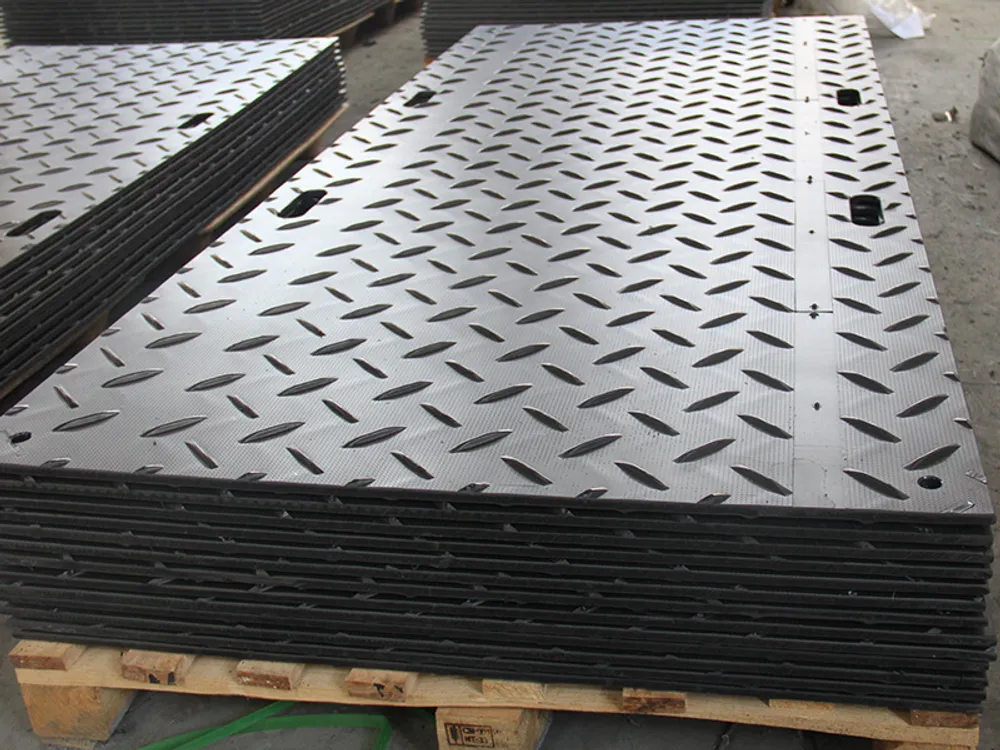
Rent, buy new, or buy used — how the total cost actually breaks down for ground protection mats, and why a secondhand panel is not always the bargain it looks like.
Three ways to get mats on a job
Every project that needs matting ends up choosing between the same three routes: hire the panels for the job, buy new and keep them, or pick up a used rig mats listing and save on the sticker price. None of the three is wrong on its own — the right call depends on how often you need mats, how long the job runs, and how much risk you are willing to take on a panel with an unknown history. The rest of this guide walks through when each option actually pays off.
When renting wins
For a short, one-off job — a single weekend access route, a crane pick that only needs pads for a day — temporary road mats hire beats buying outright almost every time. You pay for the days you use the mats, someone else carries the storage and the maintenance, and there is no panel sitting in a yard between jobs earning nothing. Contractors who only need ground protection a few times a year, or who are testing a new type of ground before committing to a purchase, are exactly who temporary road surface hire is built for. The specialist end of the market works the same way: crane mats for rent cover a single lift, and rig mats for rent suit a short drilling campaign where the panels leave site with the machine. The moment you start renting the same volume of mats every month, though, the maths starts to move the other way.
When buying new wins
A fleet, a rental company, or any contractor with recurring site work reaches the point where the rental invoices for a year cost more than owning the panels outright. Buy new and a standard ground protection mat comes with a known thickness, a known load rating, and years of working life ahead of it instead of behind it — no guessing what the last three jobs did to the panel. For a rental company specifically, owning the stock is the business model: you buy once and hire the same mats out repeatedly, so the purchase pays for itself many times over rather than once.
The used-mat market — and its risks
The secondhand market runs across every trade that uses matting. Drilling contractors watch for used rig mats for sale to take some cost out of a rig-up, and the same panels reappear as used oilfield mats for sale whenever a service company clears its yard. Wetland and pipeline crews look at used swamp mats for sale for bog ground, occasionally alongside used dragline mats for sale off a decommissioned spread. On the crane side, used crane mats for sale come up each time a rigging outfit renews its stock, and general contractors weigh used construction mats for sale against a new heavy-duty panel. Event companies ask about marquee matting second hand when a client only needs flooring for one weekend. The appeal is obvious: a used panel costs less than new. What buyers often miss is what years outdoors actually does to HDPE — UV exposure turns the surface brittle at the edges, repeated flexing opens hairline cracks that do not show until the panel is loaded, and connector holes get chewed out or the link hardware goes missing entirely.
Do the payback math before you decide
Work out the break-even point before you commit either way. Take the total hire cost for the job duration and compare it against the purchase price of new panels, then ask how many more jobs you would need the mats for after this one. If the answer is none, hiring wins outright. If you can already see three or four more jobs on the calendar this year, owning — new or carefully vetted used — usually costs less over that window, even before you count in the resale value a well-kept HDPE panel still has at the end of its life.
What to check before buying used
If used is still the plan, inspect before you pay. Any used ground protection mats you are offered should pass three checks before money changes hands. Flex a corner by hand and look for whitening or cracking rather than a clean bend, check every connector hole for elongation or damage, and ask how the panels were stored. The same three checks apply to used access mats for sale from a plant dealer — stacked flat under cover ages far better than left outdoors on edge. A seller who cannot answer that last question is usually selling a mat with more wear than the listing lets on. For load-bearing work like crane setups, where a hidden crack is a real safety issue, a new HDPE crane mat with a known spec is worth the difference in price. Talk to us via our contact page if you want a quote to compare against a used listing before you buy.
Precisa de chapas para um projeto como este? Solicitar orçamento — respondemos em um dia útil. Ou explore toda a gama de produtos.
Solicitar orçamentoArtigos relacionados
Plaque de Roulage Buyer's Guide: Choosing HDPE Trackway Plates
How to choose a plaque de roulage — matching thickness to load, the difference between a car-weight plate and a TP site plate, what drives the price, and why cheap or second-hand plates often cost more.
Ler →
Crane Mat & Ground Mat Brands: A Buyer's Guide
A buyer's map of the crane mat and ground protection mat market — North American HDPE mat brands, Canadian rig mat suppliers, European Fahrplatten brands, and where factory-direct manufacturers fit in.
Ler →
Guia de Compra de Chapas de Proteção de Solo: Como Escolher Chapas de Acesso por Classe de Carga
Um guia do especificador para escolher chapas de proteção de solo e chapas de acesso por classe de serviço. Compare chapas em PEAD de uso ligeiro, médio e de alta resistência — gama de carga, espessura, condições do terreno e aplicações típicas — numa única tabela de referência, com um checklist do comprador e FAQ.
Ler →