
How to Prepare the Subbase for Grass Grid Pavers
2026-07-12 · SIGMA Technical Team
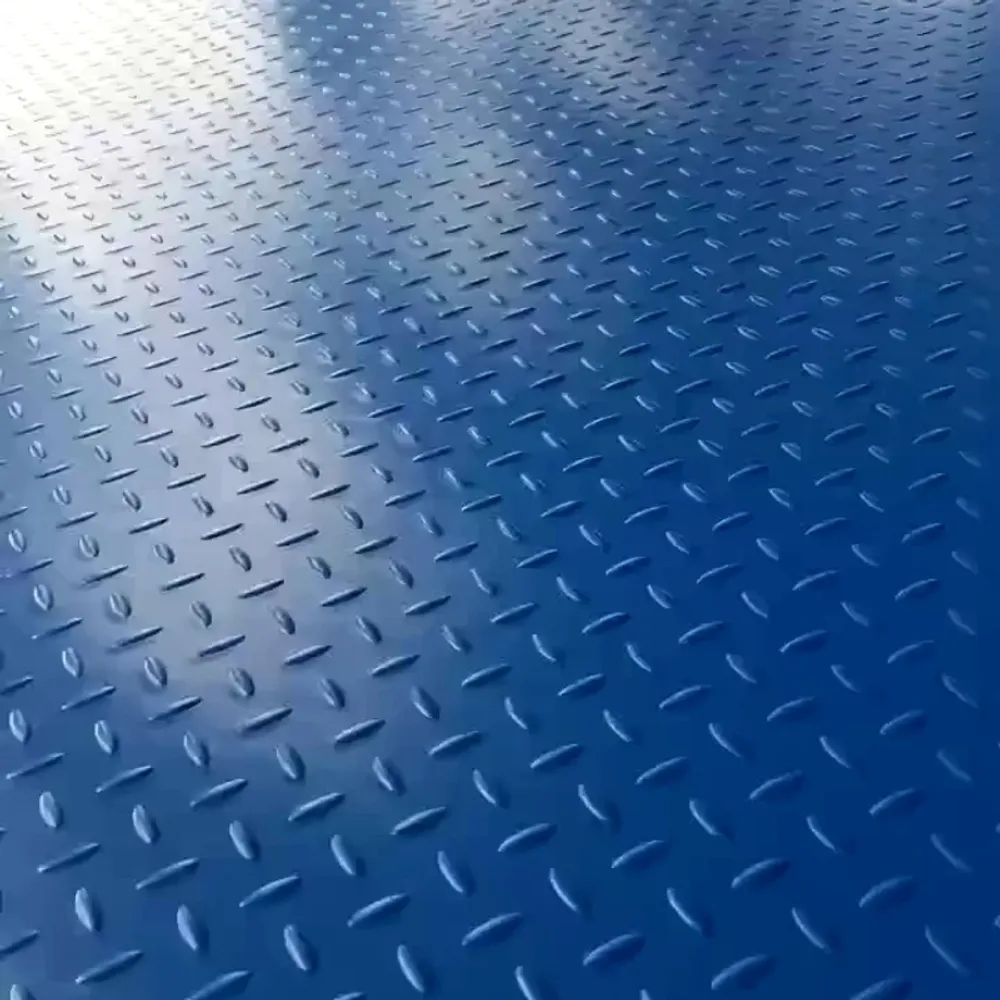
How to build the sub-base under grass grid pavers — excavation, geotextile, crushed stone, bedding, and drainage fall — so the grid holds instead of rutting.
Why the sub-base decides whether the grid holds
A grass grid pavers panel only performs as well as what is underneath it. The grid spreads load; it does not create load-bearing capacity out of soft ground on its own. Skip or skimp on the sub-base and even a well-made HDPE panel will flex, rut, and let cars sink at the edges within a season — most grid “failures” are actually sub-base failures wearing a grid on top.
The layer build-up, step by step
Start by excavating to the depth the traffic needs — deeper for cars and fire access than for an occasional-use path — and remove any topsoil, roots, or soft organic material down to firm subgrade. Lay a geotextile membrane across the exposed ground to stop the sub-base material working its way down into the soil and the soil working up into the stone. On top of that, place and compact a crushed stone or MOT Type 1 sub-base sized to the load, then finish with a thin bedding layer of finer grit or sharp sand to give the grid panels a flat, even seat. The turf reinforcement grid locks down onto that bedding layer, and the cells are finally filled with topsoil and grass seed — see how to grow grass in grid pavers — or gravel where a firmer surface is wanted.
Compaction: don’t skip it
Each layer needs compacting before the next goes down, not just the finished surface. A vibrating plate compactor run over the sub-base in passes, checking for even settlement, is what turns loose stone into a load-bearing layer — an uncompacted sub-base under a grass grid panel looks fine on the day and rutted a month later once traffic starts working it down. Compact in thin lifts on deeper sub-bases rather than trying to compact the full depth in one pass.
Get the drainage fall right
A grass grid is permeable, but water still needs somewhere to go once it is through the panel. Build a slight fall — typically 1–2% — across the sub-base so water moves through the stone layer to a soakaway or drainage run rather than sitting against the grid and waterlogging the topsoil fill. Standing water under the grid is what kills the grass in the cells even when the structural build-up is otherwise sound.
Common mistakes that cause grids to fail
The same handful of errors show up again and again: skipping the geotextile, so fines migrate up and the sub-base loses its strength; under-compacting because the surface looks flat before it has actually been worked down; using round pea gravel instead of angular crushed stone, which will not lock together under load; and building no fall, so water pools instead of draining. Any one of these turns a correctly specified grid into a soft, rutted surface within a season, even though the panel itself was never the problem.
Matching sub-base depth to traffic
Sub-base depth is not one-size-fits-all: an occasional pedestrian or golf-cart path needs only a shallow compacted layer, a car park or driveway wants a deeper sub-base sized for repeated wheel loads, and a fire lane rated for a loaded appliance needs the deepest, most heavily compacted build-up of the three. Size the sub-base to the heaviest realistic load that will cross it, the same logic behind sizing the grid panel itself, and see the full installed cost — sub-base included — in how much grass grid pavers cost.
Need mats for a project like this? Request a quote — we reply within one business day. Or explore the full product range.
Request a QuoteRelated articles
Logging Mats: A Buyer's Guide for Soft and Wet Ground
How logging mats hold up a haul road through soft or wet timber ground, how they differ from dragline mats, and how to size HDPE against the machines that will cross them.
Read →
Japanese Plastic Shikiita Brands: A Buyer's Guide to Resin Ground Mats
The resin shikiita brands Japanese sites specify most often — Super Ju-Lite, Repi Board, W-Board, Koujiban and Tough Mat — what each is known for, and where a factory-direct HDPE mat fits alongside them.
Read →
Ground Mats for Parking Lots: Temporary and Overflow Parking Surfaces
How HDPE ground mats turn grass, gravel, and made-up ground into working parking — when to use solid mats, when a grass grid is the better answer, and how to size for car and van traffic.
Read →