
Preventing Rutting and Site Damage with Ground Mats
2026-02-25 · SIGMA Technical Team
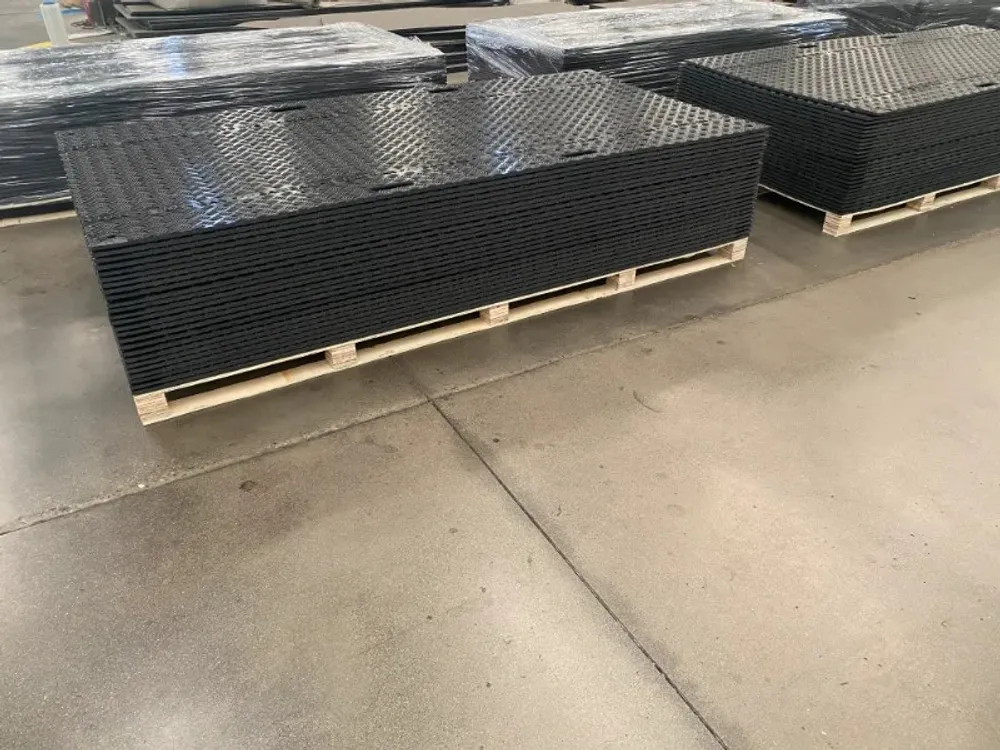
Preventing rutting saves money in remediation and downtime — how ground protection mats stop ruts on soft and muddy sites.
What causes rutting
Rutting starts when concentrated wheel and track loads on soft soil displace and compact the ground. Once a rut forms it traps water, softens the soil further, and gets worse with every pass. Preventing rutting is far cheaper than fixing it, and that is the whole case for matting a route before the damage starts.
How mats stop it
By spreading load over a wide area, mats keep ground bearing pressure below the soil’s limit so the surface stays intact. On greasy, churned ground a diamond-tread access mat — the mud track mats crews reach for on muddy haul routes — also stops wheels spinning and digging in, which is its own cause of rutting.
Match the mat to the load
Under loaded tippers and tracked plant, a thin mat over-flexes and lets the rut form anyway. A heavy-duty ground protection mat carries the point load and keeps spreading it instead of folding into the ground it is meant to protect. Rate the mat by the heaviest machine, not the average — see ground protection mat load ratings.
Lower reinstatement costs
An undamaged sub-grade means less regrading, imported stone, and reseeding at handover — savings that often pay back the mat hire many times over. The mat is cheap insurance against a reinstatement bill that lands after the job, when the margin is already spent.
Keep traffic on the mats
A defined, linked route — laid as in how to install and link ground protection mats — keeps vehicles on the protected surface rather than straying onto raw ground and cutting fresh ruts beside it. Mat the line drivers will actually use, mark it, and the protection works because the traffic stays where you put the mats.
Need mats for a project like this? Request a quote — we reply within one business day. Or explore the full product range.
Request a QuoteRelated articles
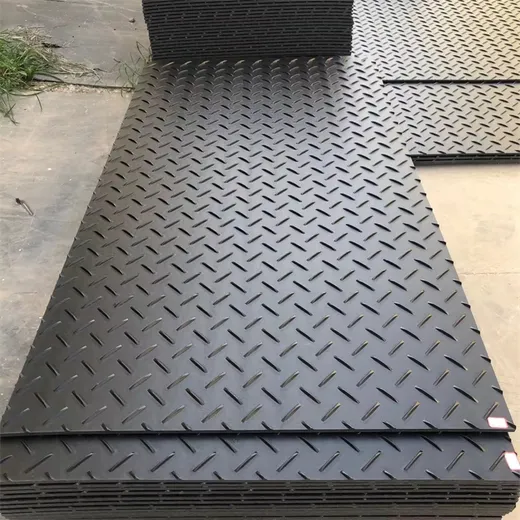
How to Install and Link Ground Protection Mats
How to install ground protection mats: a step-by-step on laying, connecting, and recovering a temporary mat roadway.
Read →
Cleaning & Maintaining HDPE Ground Mats
Cleaning ground protection mats and simple maintenance that keeps reusable HDPE panels safe and extends a 10–15 year life.
Read →
Logging Mats: A Buyer's Guide for Soft and Wet Ground
How logging mats hold up a haul road through soft or wet timber ground, how they differ from dragline mats, and how to size HDPE against the machines that will cross them.
Read →