
Protecting Turf & Landscaping with Ground Mats
2026-04-08 · SIGMA Technical Team
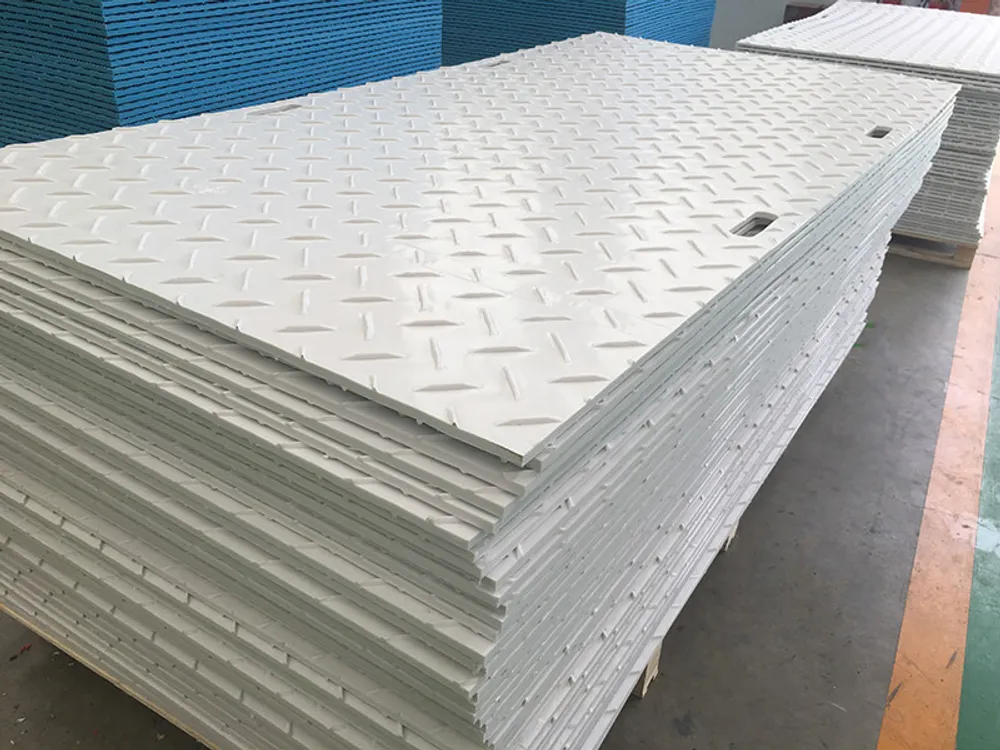
Grass protection matting lets you drive and park on turf without killing it — how to save lawns, pitches, and sports turf.
Let grass breathe
Good grass protection matting does two jobs at once: it spreads vehicle and foot loads, and it lets light, air, and water reach the turf so the grass survives being covered. That is the whole game — turf rarely fails from a weekend of traffic, it fails from being sealed off under a solid sheet that cooks and starves it.
Stop rutting and compaction
On stadiums, parks, and golf courses, mats work at preventing rutting and soil compaction that leave lasting scars and expensive reseeding bills. Spreading the load keeps wheels from displacing wet soil, so the surface you hand back looks like the one you borrowed.
Translucent vs reinforced
For short events, a clear turf protection mat lets daylight through so the grass keeps photosynthesising and bounces back in days. For a permanent load-bearing lawn — overflow parking, a fire lane — a turf reinforcement grid sits flush in the soil and lets grass grow up through it. Pick by whether the surface is temporary or permanent.
Fast install and removal
Lightweight panels go down and come up quickly for events, then store flat for the next booking. A small crew can floor a pitch walkway or a parking area and strip it out inside the get-in and get-out windows, with no plant churning the ground on the way in.
Choose the right surface
Lighter foot-traffic mats suit walkways and spectator areas; sturdier vehicle-rated mats handle service plant and stage trucks on soft turf. Match the mat to the heaviest thing that crosses it, and reserve the grass-friendly translucent and grid products for where keeping the lawn alive is the priority — the same call you make for driveway protection mats on a client’s lawn.
Can ground mats kill grass?
Not if you manage the cover time and pick the right mat: a solid mat left down for a few days does no lasting harm, but the same mat left in place for two weeks or more blocks light and starves the grass underneath, and it will yellow and may need reseeding. As a rough guide, most turf tolerates full cover for up to about a week in the growing season; beyond that, use a clear turf protection mat instead of a solid one — its translucent panel lets daylight reach the grass so it keeps photosynthesising under cover that runs for a multi-day event or longer.
Need mats for a project like this? Request a quote — we reply within one business day. Or explore the full product range.
Request a QuoteRelated articles
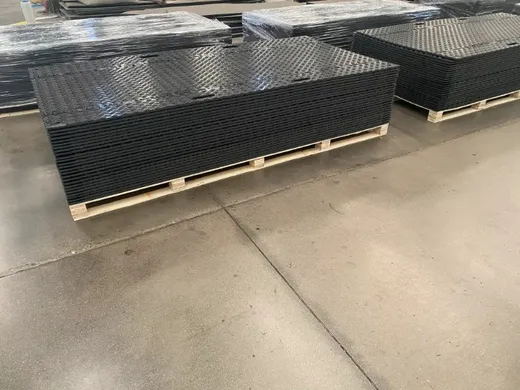
Logging Mats: A Buyer's Guide for Soft and Wet Ground
How logging mats hold up a haul road through soft or wet timber ground, how they differ from dragline mats, and how to size HDPE against the machines that will cross them.
Read →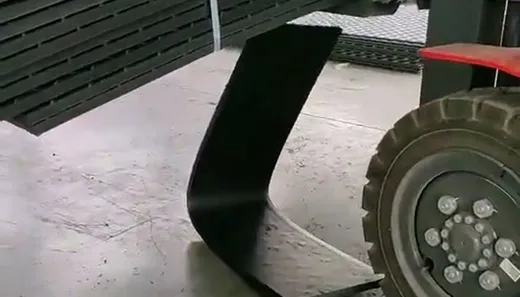
Japanese Plastic Shikiita Brands: A Buyer's Guide to Resin Ground Mats
The resin shikiita brands Japanese sites specify most often — Super Ju-Lite, Repi Board, W-Board, Koujiban and Tough Mat — what each is known for, and where a factory-direct HDPE mat fits alongside them.
Read →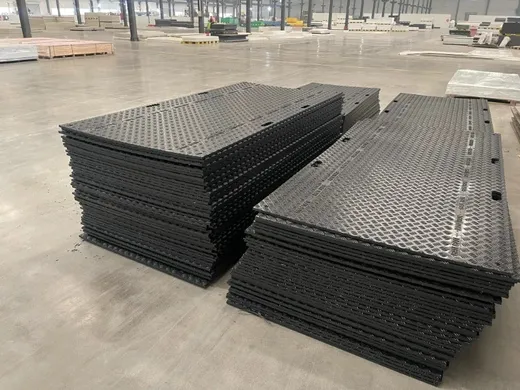
Ground Mats for Parking Lots: Temporary and Overflow Parking Surfaces
How HDPE ground mats turn grass, gravel, and made-up ground into working parking — when to use solid mats, when a grass grid is the better answer, and how to size for car and van traffic.
Read →