
Jack and Outrigger Base Plates: A Buyer's Guide
2026-08-18 · Equipo Técnico de SIGMA
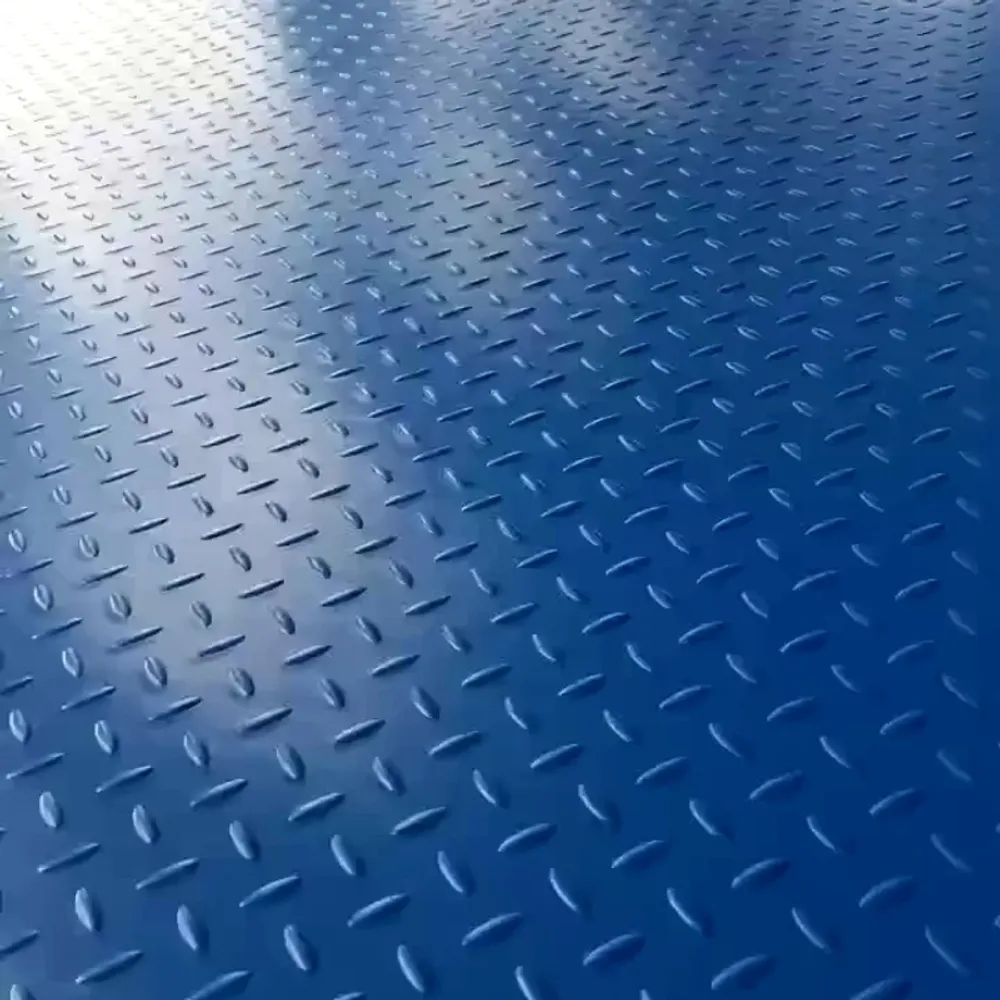
Why every jack, outrigger, and stabiliser leg needs a base plate underneath it, and how to pick the right size for cranes, aerial platforms, caravans, and scaffolding.
Why a bare leg is a problem
An outrigger, a jack, or a stabiliser leg lands its entire share of load on a few square inches of steel. Set that foot straight onto tarmac, gravel, or lawn and the ground sees a pressure spike far beyond what the surface can carry — the foot punches in, the machine tilts, and everything above it goes with it. A base plate spreads that point load over a much wider area, dropping the pressure to a level ordinary ground can hold. It is the cheapest safety measure on the job and the one most often skipped.
Mobile and truck cranes
A mobile crane or truck crane rated for tens of tonnes puts its full working load through four outrigger floats, so the ground bearing pressure under each one is enormous even on a modest lift. A square base plate under each float — from a compact size for pickup-mounted units up to a large panel for all-terrain cranes — is standard practice on every rigging job. For a round outrigger foot, a matching round plate seats flatter and avoids the plate rocking on a corner. The full sizing logic, by float size and rated load, is set out in the crane outrigger pads sizing guide.
Aerial work platforms and boom trucks
A scissor lift or a boom truck stabiliser looks small next to a crane leg, but the working envelope of a raised platform or bucket puts real leverage through that same tiny foot, especially at full extension or on a slope. Operators who skip a base plate on soft or uneven ground risk exactly the same punch-through a crane would suffer, just at a smaller scale. A base plate sized to the outrigger foot keeps the platform level and stops the leg sinking mid-lift, which matters as much on a car park surface as it does on bare ground.
Caravan and trailer stabiliser jacks
A caravan or trailer's corner steadies are lightly loaded compared with plant equipment, but they land on grass, gravel, or a soft campsite pitch far more often than on concrete. Without a plate underneath, a steady simply sinks overnight as the ground compresses under sustained load, leaving the van unlevel or rocking. A small, flat base plate under each jack — thin enough to carry in a storage locker — solves the problem for the cost of a few minutes setting up on arrival.
Scaffolding base plates
A scaffold standard transfers the weight of the whole structure, plus whatever is loaded onto the platforms, down through a base plate at ground level. On a compacted site surface a steel plate under the jack is often enough, but on soft, uneven, or recently disturbed ground the base plate needs its own load-spreading pad underneath to stop individual standards settling unevenly — an uneven scaffold base is a stability problem long before it becomes a cosmetic one.
Getting the size and thickness right
Match the plate to the leg, not the machine's overall weight rating: a heavier crane on a short pick can load its outriggers less than a lighter crane at full radius, so size by the actual working load at the float, with a margin. A square crane outrigger pad suits square feet from small utility cranes up to large all-terrain units, while a round outrigger pad matches round floats on the same range of machines. Whatever the equipment, oversizing the plate costs little and buys real margin on ground that turns out softer than expected.
¿Necesita placas para un proyecto así? Solicitar presupuesto — respondemos en un día hábil. O explore toda la gama de productos.
Solicitar presupuestoArtículos relacionados
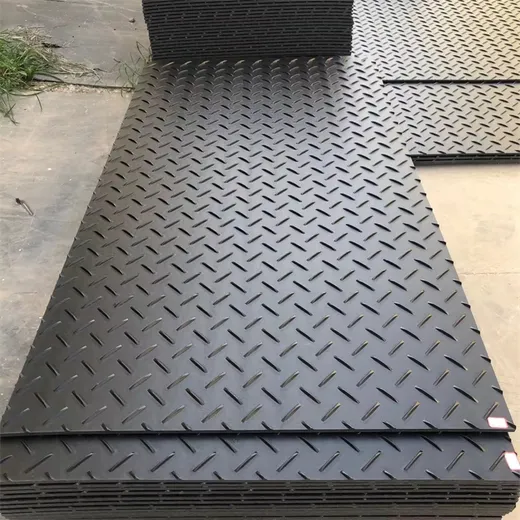
Plastic Shikiita Sizes and Prices: A Buyer's Guide
What shikiita sizes mean in millimetres, how plastic (plashiki) compares with steel plate, and what actually drives the price of a plastic ground protection board.
Leer →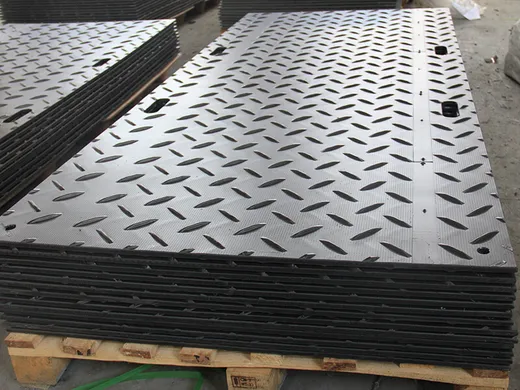
Guía de tamaños y dimensiones estándar de alfombras de grúa
Tamaños y dimensiones estándar de alfombras de grúa explicados: formatos de panel habituales, cómo se relaciona el grosor con la carga, y HDPE frente a madera para el dimensionamiento.
Leer → Qué alfombra de protección de suelo necesita cada máquina
Guía de obra equipo por equipo: qué alfombra de protección de suelo le corresponde a cada máquina. Almohadillas bajo los estabilizadores de las grúas, alfombras para orugas en excavadoras y buldóceres, y alfombras de acceso y paneles de calzada temporal para los camiones que circulan sobre terreno blando.
Leer →