
Crane Outrigger Pads: A Practical Sizing Guide
2026-04-26 · SIGMA Technical Team
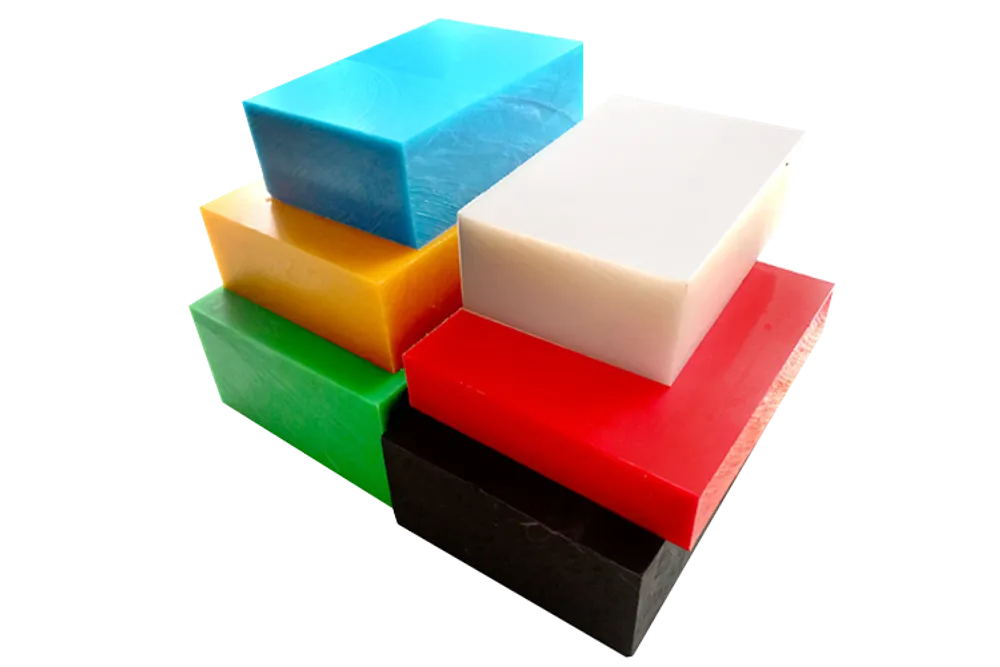
How to size crane outrigger pads safely — pick pad area and thickness for your crane, outrigger load, and ground conditions.
Why outrigger pads matter
A crane’s entire working weight concentrates onto four small outrigger floats. Without crane outrigger pads, that pressure routinely exceeds the ground’s capacity and a leg sinks — the leading cause of mobile-crane tip-overs. The pad spreads the float load over a larger area so the machine stays level and stable through the lift — riggers on site often just call them crane rigger mats.
Size for ground bearing pressure
The core sum is simple: take the maximum outrigger load, divide by the pad area, and keep the result below the soil’s safe bearing pressure — the point-load side of ground protection mat load ratings. Weaker ground needs a bigger pad, not a thicker one. Get the maximum leg load from the crane’s load chart for the worst-case radius and slew, not the static parked figure. Outrigger pad sizes and crane mat sizes run from small bucket-truck pads up to large crane mats, so step up a size rather than guess.
Square or round
A square outrigger pad puts the most area under a large float or spreader foot and gives a flat, stable seat for bigger mobile cranes — some crews call these crane spreader mats or spreader pads crane, since they seat a spreader-beam foot the same way. A round pad seats cylindrical MEWP and boom-lift feet neatly and rolls for easy handling. Match the pad shape to the foot it carries.
Material and thickness
High-grade HDPE and UHMWPE pads are light, will not rot or absorb water, and resist impact. Thickness should suit the load so the pad spreads pressure without dishing or excessive flex — a pad that bends under the float is not spreading the load you think it is.
Handling and storage
Rope or cut-out handles make pads easy to place and recover, and UV-stable polymer means they can live on the truck and shrug off weather between jobs. Keep a range of sizes on board so the operator can step up a size when the ground turns out softer than the survey suggested. A pad is generally faster to deploy than stacking timber outrigger cribbing, and for crane outrigger cribbing specifically it removes the guesswork of how many blocks to stack.
Backhoes, MEWPs, and scissor lifts
The same sizing method scales down to smaller machines. Backhoe outrigger feet take round pads sized the same way as a crane leg, just at a lower tonnage — Kubota backhoe outrigger pads and Kubota BH77 stabilizer pads are a common ask, and the same round profile covers most Kubota outrigger pads across the compact range. MEWP outrigger pads and scissor lift outrigger pads follow the same math again: divide the leg load by the ground’s bearing pressure and size the pad from there, not from the machine’s brand or model number.
Why not DIY or homemade outrigger pads?
DIY outrigger pads and homemade outrigger pads — a scrap of plywood, a stack of timber, a cut steel plate — show up on plenty of job sites, but none carry a rated working load limit, and a scrap board sized by eye is a guess dressed up as a solution. A moulded pad has a known diameter, thickness, and vertical WLL, so the sizing calculation above actually means something instead of hoping the ground holds.
Quick-reference: pad size by crane tonnage and ground
Crane outrigger pads size up with the machine. Lighter carriers run on 24x24 outrigger pads, while 30x30 outrigger pads and larger come in as rated capacity climbs. The table below gives a starting point for square outrigger pad sizing by rated crane capacity and ground condition. Always confirm the actual outrigger reaction from your crane's load chart at the working radius before you order, and check it against the ground on the day — this is a reference point, not a substitute for that figure. Round pads follow the same logic at a smaller working diameter — see the round outrigger pad range.
| Crane class | Compacted crushed stone | Firm natural soil | Soft or wet ground |
|---|---|---|---|
| 25 t mobile crane | 24×24 in (600 mm) | 30×30 in (750 mm) | 36×36 in (900 mm) |
| 50 t mobile crane | 30×30 in (750 mm) | 36×36 in (900 mm) | 48×48 in (1200 mm) |
| 100 t all-terrain crane | 36×36 in (900 mm) | 48×48 in (1200 mm) | 48×48 in, cribbed or doubled up |
| 250 t+ all-terrain crane | 48×48 in (1200 mm) | 48×48 in, cribbed or doubled up | Full crane mat platform, not a single pad |
How thick should a crane outrigger pad be?
Thickness is the secondary number — area is what stops the leg sinking. Standard square and round pads run 1–4 in (25–100 mm): the thin end suits light MEWP and boom-truck jacks on firm ground, while a 2–4 in pad resists impact and stays flatter under a heavier mobile crane. Going thicker without going wider does not fix an undersized pad — if the ground bearing pressure is still too high, step up the footprint first.
What size outrigger pad does a 50-tonne crane need?
On firm, compacted ground a 30×30 in (750 mm) square pad is a typical starting point for a 50 t mobile crane, sizing up to 36×36 in on ordinary soil or 48×48 in once the ground is soft or waterlogged — see the table above. That is a reference point, not a substitute for the outrigger reaction load on the crane's own load chart at the radius and slew you are actually working.
What happens if the outrigger pad is too small?
An undersized pad does exactly what bare ground does, just more slowly: the point load exceeds the ground's bearing capacity, the leg sinks unevenly, and the crane goes out of level mid-lift. That is the scenario crane outrigger pads exist to prevent — when in doubt, size up rather than trust a pad that looks close enough.
Need mats for a project like this? Request a quote — we reply within one business day. Or explore the full product range.
Request a QuoteRelated articles
Jack and Outrigger Base Plates: A Buyer's Guide
Why every jack, outrigger, and stabiliser leg needs a base plate underneath it, and how to pick the right size for cranes, aerial platforms, caravans, and scaffolding.
Read →
Plastic Shikiita Sizes and Prices: A Buyer's Guide
What shikiita sizes mean in millimetres, how plastic (plashiki) compares with steel plate, and what actually drives the price of a plastic ground protection board.
Read →
Standard Crane Mat Sizes & Dimensions Guide
Standard crane mat sizes and dimensions explained — common panel sizes, how thickness relates to load, and how HDPE crane mats compare to timber for sizing.
Read →