
Bog Mats vs Access Mats: What’s the Difference?
2026-03-15 · SIGMA Technical Team
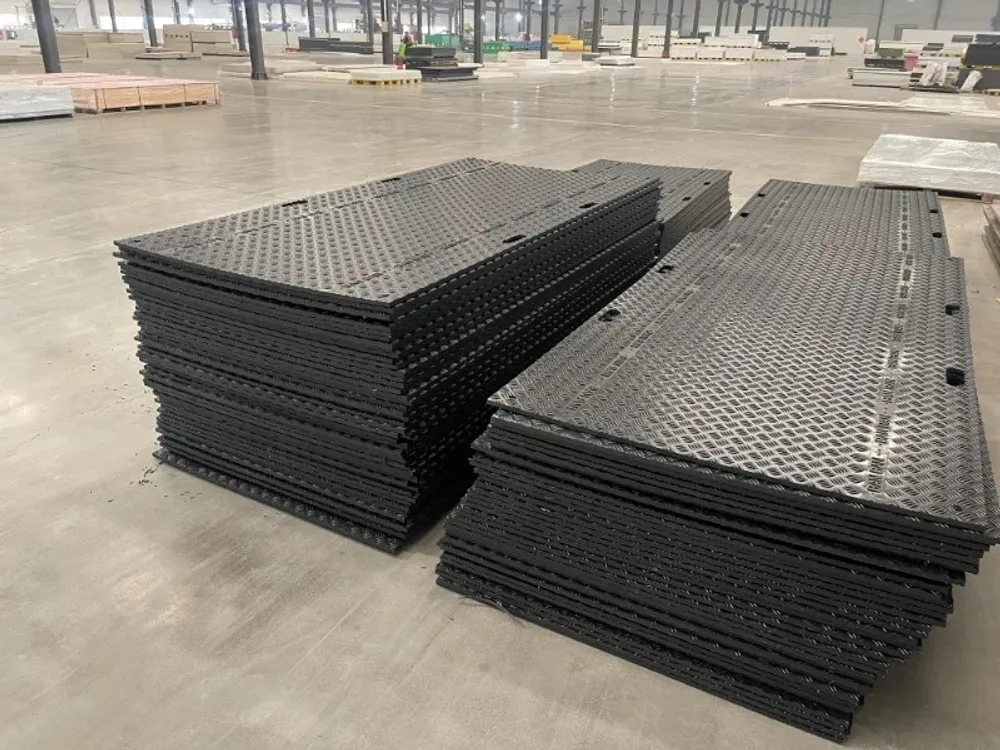
Bog mats vs access mats: when you need a large-format bog mat and when a standard access mat will do.
At a glance: bog mats vs access mats vs ground protection mats
The table below lines up the three duty classes side by side — use it to jump straight to the right product, then read on for when each one actually applies.
| Ground protection mat | Access mat | Bog mat | |
|---|---|---|---|
| Typical size | 4×8 ft | 4×8 ft to 7.5×14 ft, interlocking | 7.5×14 ft |
| Thickness | 1/2 in (12.7 mm) | 1/2–4 in | up to 4 in (100 mm) |
| Handling | ~37 kg, two-person hand lift | hand-portable to forklift depending on size | 175–385 kg, forklift or telehandler |
| Load rating | up to ~80 t spread · ~200 psi point | up to ~120 t spread · ~600 psi point | 600–828 psi bearing |
| Best on | firm, prepared ground | reasonable ground, repeat traffic, needs a locked road | peat, marsh, saturated ground |
Access mats: everyday duty
In the bog mats vs access mats question, access mats are the everyday workhorse. Standard 4×8 ft access mats carry foot traffic, vans, and light-to-medium plant on reasonable ground — light, hand-portable, and quick to lay. An interlocking access mat links a run into a continuous roadway for repeat traffic.
Bog mats: the worst ground
Bog mats are larger and thicker to spread very heavy loads across weak, saturated ground. An extra-heavy bog mat works by sheer footprint, dropping ground bearing pressure to a level peat or marsh can carry, where a standard mat would punch straight through under a crawler.
Bog mats for access roads
Once you are not just standing a crane but routing repeated truck and plant traffic across wetland or waterlogged ground, bog mats for access roads are the practical build: link large-format panels into one continuous run instead of treating each bog mat as an isolated platform. Access roads bog mats made from linked extra-heavy bog mats spread every pass over the full run instead of concentrating it on one panel, so the road holds up under repeat traffic instead of punching through after the first truck. Where the ground is firm enough that you do not need the biggest bog-mat footprint, a temporary roadway panel covers more ground per piece with fewer joints, and a heavy-duty ground protection mat is the lighter, hand-portable step down once conditions firm up.
Size, weight, and handling
The practical difference is handling. An access mat is a two-person hand lift; a bog mat at 175–385 kg is a forklift or telehandler job. You trade portability for the area that floats heavy plant — so you reach for a bog mat only where the ground genuinely demands it.
Match the mat to the risk
On firm subgrade, access mats are more economical and faster to deploy. On peat or marsh under heavy plant, the larger footprint of a bog mat is the safer choice. Sizing by ground bearing pressure — load ÷ contact area, explained in ground protection mat load ratings — tells you which side of the line you are on.
Mix and match on one site
Many sites use both: access mats for general routes and the firmer sections, bog mats reserved for the softest ground and crane platforms. Speccing the right mat for each zone, rather than one type everywhere, is what keeps a site moving without over-paying for area you do not need — the heart of how to choose the right ground protection mat.
Need mats for a project like this? Request a quote — we reply within one business day. Or explore the full product range.
Request a QuoteRelated articles
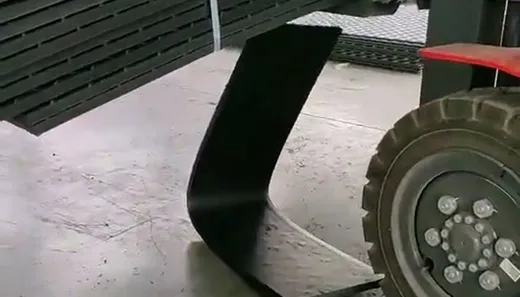
Why HDPE Ground Protection Mats Flex Without Cracking
Lift one HDPE ground protection mat by an edge and it folds into a deep curve, then springs back flat — no cracks, no splinters. Here is why that flex matters on site, and where it stops.
Read →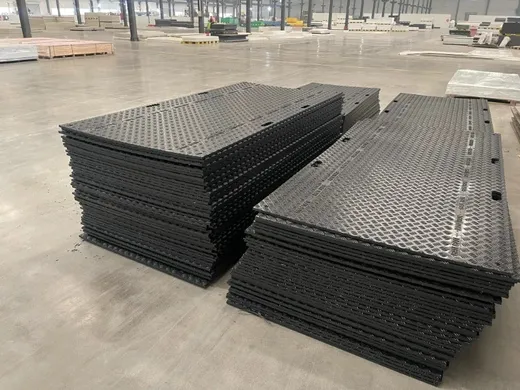
HDPE Mats vs Steel Plates, Plywood, and Timber
Ground protection mats vs plywood, steel plates, and timber: why contractors switch to HDPE — ~95% lighter than steel, reusable for years, non-conductive, rot-proof.
Read →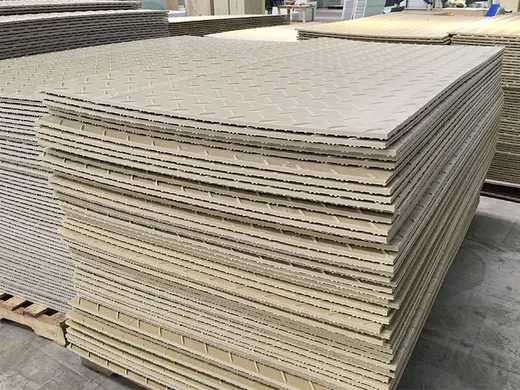
Recycled vs Virgin HDPE for Ground Mats
Recycled vs virgin HDPE mats: how they compare on cost, colour, UV stability, and sustainability — and which to buy for your job.
Read →