
Choosing Mat Thickness and Tread for Your Traffic
2026-02-07 · SIGMA Technical Team
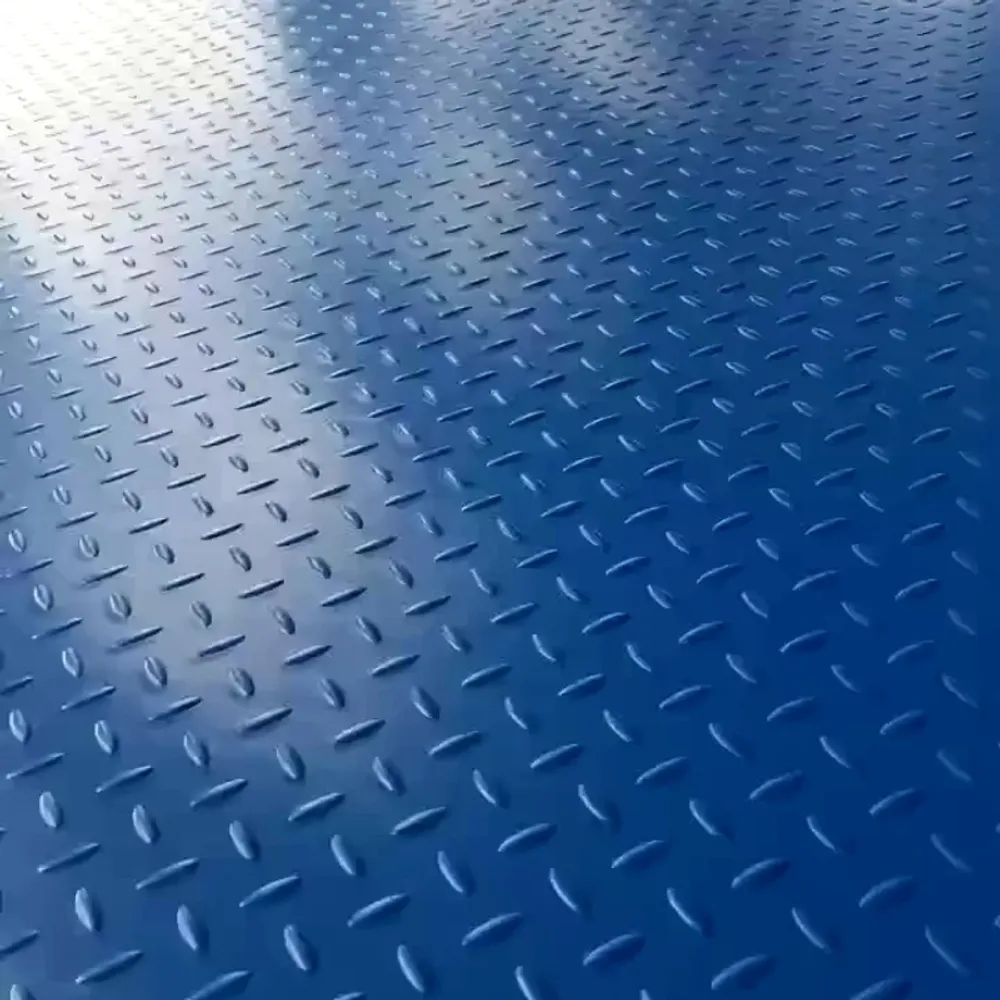
Ground protection mat thickness and tread pattern decide traction and durability — how to match them to who and what crosses.
Thickness follows the load
Ground protection mat thickness is set by the load, not by habit — read it together with ground protection mat load ratings. Standard 1/2 in panels suit foot traffic and light vehicles; 5/8–3/4 in and thicker handle trucks, dozers, and tracked plant that would over-flex a thin mat. A standard ground protection mat covers most light-to-medium access, with thicker sections where the machines get heavy.
Tread for traction
A deep diamond tread bites into wet clay and mud to stop vehicles spinning; a finer texture is safer and more comfortable underfoot for pedestrians. On greasy, churned ground a diamond-tread access mat keeps plant moving where a smooth or worn mat just polishes and slips.
Reversible mats cover both
A dual-sided mat lets one product serve vehicles and pedestrians — flip to the aggressive face for plant, the finer face for foot traffic. Reversibility also doubles service life, since you turn a worn side over to a fresh one rather than retiring the mat.
Step up for heavy plant
When loaded tippers and tracked machines are the traffic, a thin mat flexes and fails early. A heavy-duty ground protection mat at 5/8–3/4 in carries the point load without dishing, so it keeps spreading the weight instead of rutting under it.
Don’t over- or under-spec
Too thin and a mat flexes and fails; needlessly thick adds weight, handling effort, and cost. Match the spec to the heaviest realistic load and the real traffic mix — the same method as how to choose the right ground protection mat — and you get a mat that lasts without paying for thickness or tread you never use.
Need mats for a project like this? Request a quote — we reply within one business day. Or explore the full product range.
Request a QuoteRelated articles
Jack and Outrigger Base Plates: A Buyer's Guide
Why every jack, outrigger, and stabiliser leg needs a base plate underneath it, and how to pick the right size for cranes, aerial platforms, caravans, and scaffolding.
Read →
Plastic Shikiita Sizes and Prices: A Buyer's Guide
What shikiita sizes mean in millimetres, how plastic (plashiki) compares with steel plate, and what actually drives the price of a plastic ground protection board.
Read →
Standard Crane Mat Sizes & Dimensions Guide
Standard crane mat sizes and dimensions explained — common panel sizes, how thickness relates to load, and how HDPE crane mats compare to timber for sizing.
Read →