
Standard Crane Mat Sizes & Dimensions Guide
2026-08-10 · SIGMA Technical Team
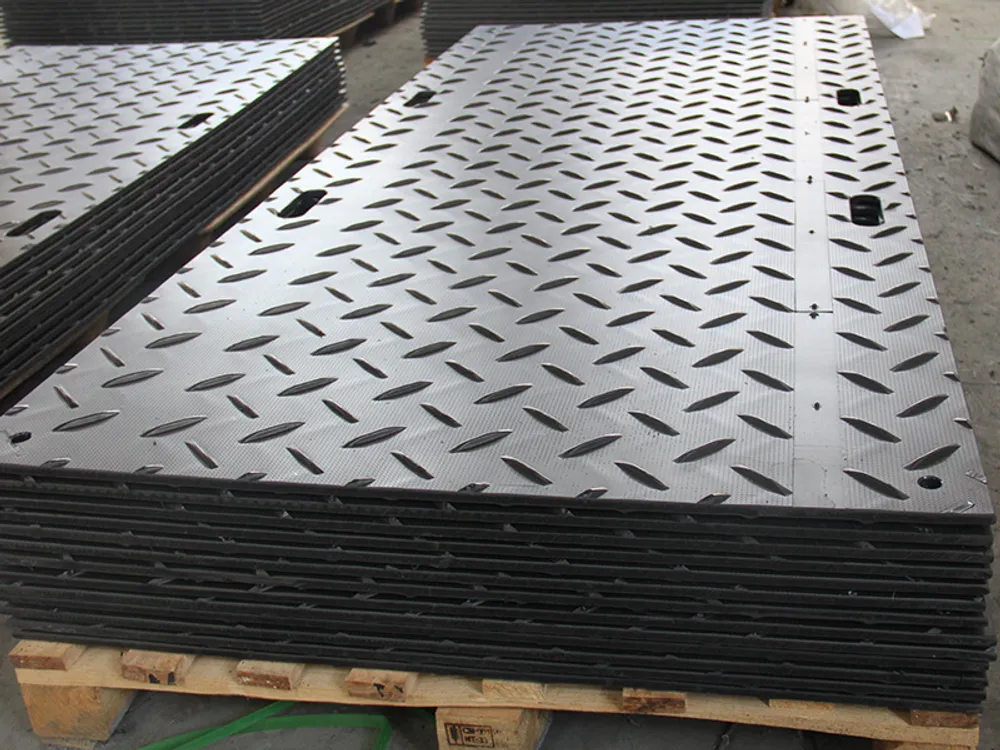
Standard crane mat sizes and dimensions explained — common panel sizes, how thickness relates to load, and how HDPE crane mats compare to timber for sizing.
Why crane mat size is the first decision
Crane mat sizes and dimensions vary more than most buyers expect, because the mat is doing two different jobs depending on where it sits: a walking or standing platform under tracks and outriggers spreads a moving load, while a haul-road panel just needs to carry repeat truck traffic without joints opening up. Picking a size starts with which job you need, then works down to thickness and material — the same logic covered for point loads in the crane outrigger pads sizing guide. Rig mat sizes follow the same two-job split, since a static rig standing and working in one spot needs the same platform math as a crane.
Common crane mat sizes
Across the industry, crane and rig matting settles around a handful of standard footprints. Smaller access-mat sizes (3×8 ft and 4×8 ft) handle light plant and foot traffic; the larger formats are what people usually mean by "crane mats" — panels big enough to carry a crawler crane or a piling rig standing and working, not just crossing.
| Size (imperial) | Size (metric) | Typical thickness | Common role |
|---|---|---|---|
| 4×8 ft | 1.22×2.44 m | 1/2–3/4 in | Standard & heavy-duty ground protection mats |
| 4×8 ft, interlocking | 1.22×2.44 m | 1/2–4 in | Access mats linked into a haul road |
| 2×4 m | ~6.5×13 ft | ~37–50 mm | Large-format temporary roadway panels |
| 7.5×14 ft | 2.29×4.27 m | up to 4 in (100 mm) | Extra-heavy track / bog mats and crane standing platforms |
Thickness and load-bearing: two different numbers
A bigger mat and a thicker mat solve different problems, and mixing them up is the most common sizing mistake. Area is what drops ground bearing pressure — double the footprint and you roughly halve the pressure the soil sees. Thickness is what stops the panel itself dishing or flexing under a concentrated point load, such as a track grouser or an outrigger float, once the area is already sized correctly. A thin, wide mat can still punch a hole in the ground if it flexes into a bowl under the load; a thick, small mat can still sink if the footprint is too small for the soil. Size the area to the ground first, using the spread-load and point-load method in understanding ground protection mat load ratings, then confirm the thickness carries the point load without excessive flex.
HDPE vs timber crane mat dimensions
Timber and laminated composite crane mats are usually thicker and heavier than an HDPE equivalent for a comparable duty — solid or laminated hardwood needs more mass to reach the same stiffness and load spread that HDPE achieves through the material itself. That is why a wood crane mat at a given footprint often runs noticeably heavier than an HDPE panel rated for similar traffic, which matters for handling: every extra centimetre of thickness adds weight that has to be craned or forklifted into place. The trade-off is not free — timber mats remain common for the very heaviest, most abrasive duty — but for most crane standing and access work, an HDPE panel reaches the same load rating at a lighter, easier-to-handle section, on top of the flex and rot resistance covered in HDPE mats vs steel plates, plywood, and timber.
Sizing by crane tonnage
For the outrigger feet themselves, crane pad size scales with the crane's rated capacity and the ground it stands on — worked through in detail in the crane outrigger pads sizing guide, with square and round pads sized to the leg load. A mobile crane mat under the carrier and a mobile crane pad under each outrigger foot are sized by the same method, just at different footprints, and the same math sizes a tower crane pad supporting a base section on soft ground even though the crane itself does not travel. For the crane itself walking or standing on tracks, or for a rig that has to stand and work in one spot, the bigger 7.5×14 ft crane mat format is the default starting point, sized up with a second layer or a wider run on soft or saturated ground rather than swapped for a thicker single panel.
Weight changes the installation plan, not just the truck
Panel size and thickness decide how the mat gets placed as much as how much load it carries. A standard 4×8 ft ground protection mat at around 37 kg is a two-person hand lift, so a crew can lay and reroute a light access route without booking plant. Step up to the 7.5×14 ft, up to 4 in format used for crane mats and bog mats and the weight runs 175–385 kg — a forklift or telehandler job, not a hand lay — and the 2×4 m temporary roadway panel at around 385 kg is the same story. Rig mat weight follows the same curve: bigger footprint means forklift installation, not a hand lay. Before you settle on a size, check that the site has the lifting equipment to place it: the biggest panel on paper is not the right choice if there is nothing on site to move it into position.
Getting the size right the first time
Order the wrong crane mat size and you either under-spec the ground — risking a sunk track or an out-of-level crane — or over-spec it and pay for handling weight and container space you did not need. Start from the machine and the ground, size the footprint first, confirm the thickness against the point load, and check the full range of HDPE crane mats and outrigger pads before you order rather than guessing from a catalogue photo.
Need mats for a project like this? Request a quote — we reply within one business day. Or explore the full product range.
Request a QuoteRelated articles
Jack and Outrigger Base Plates: A Buyer's Guide
Why every jack, outrigger, and stabiliser leg needs a base plate underneath it, and how to pick the right size for cranes, aerial platforms, caravans, and scaffolding.
Read →
Plastic Shikiita Sizes and Prices: A Buyer's Guide
What shikiita sizes mean in millimetres, how plastic (plashiki) compares with steel plate, and what actually drives the price of a plastic ground protection board.
Read → Which Ground Protection Mat for Which Machine
A site guide by equipment: which ground protection mat each machine needs — outrigger pads for cranes, track mats for excavators and dozers, access mats and temporary road surface mats for trucks on soft ground.
Read →